
Songkran, Thailand’s New Year Festival, is one of the country’s most anticipated annual celebrations, drawing travelers from around the world—many of whom return year after year to experience its unique traditions.
Songkran attracts hundreds of thousands of international visitors each year, with approximately half a million tourists traveling to Thailand during the main festival period alone. The combination of cultural tradition and modern celebration makes it one of Southeast Asia’s most iconic festivals.

While the official dates run from April 13–15, Pattaya extends the celebration far beyond, transforming the city into a week-long festival of water fights, street food, and beachfront energy from afternoon until late at night.
At Thai Garden Resort in North Pattaya, guests are perfectly positioned just a short walk from Pattaya Beach—right at the heart of the action. Yet, when it’s time to slow down, the resort offers a peaceful tropical setting to relax and recharge. Step into the celebration, then return to your own quiet space.
Origins of the Songkran Festival
Songkran is more than just water celebrations—it is a cultural and spiritual festival deeply rooted in renewal, cleansing, and respect.
The word “Songkran” comes from the Sanskrit Sankranti, referring to the sun’s transition into a new zodiac position. It symbolizes moving forward into a new phase, marking the beginning of a new solar cycle and embodying the spirit of fresh beginnings.
Dating back over 700 years to the Sukhothai Kingdom, Songkran is one of Thailand’s oldest traditions. While similar New Year festivals exist in Laos, Cambodia, and Myanmar, Thailand’s version has evolved into a unique blend of tradition and modern celebration.




The Three Main Days of Songkran
Songkran officially takes place from April 13–15, but celebrations vary across the country—most notably the Lanna calendar in Northern Thailand. In some destinations, festivities extend well beyond the official dates, creating a nationwide celebration that can last nearly a week.
April 13 – Maha Songkran
Marks the transition from the old year to the new
- Homes are cleaned
- Buddha statues are washed
- Preparations begin for the new year
April 14 – Wan Nao
A quieter, more reflective day
- Temple visits and merit-making
- Sand pagodas are built
- Offerings are made to monks
April 15 – Wan Thaloeng Sok (Thai New Year’s Day)
The official start of the new year
- Families gather
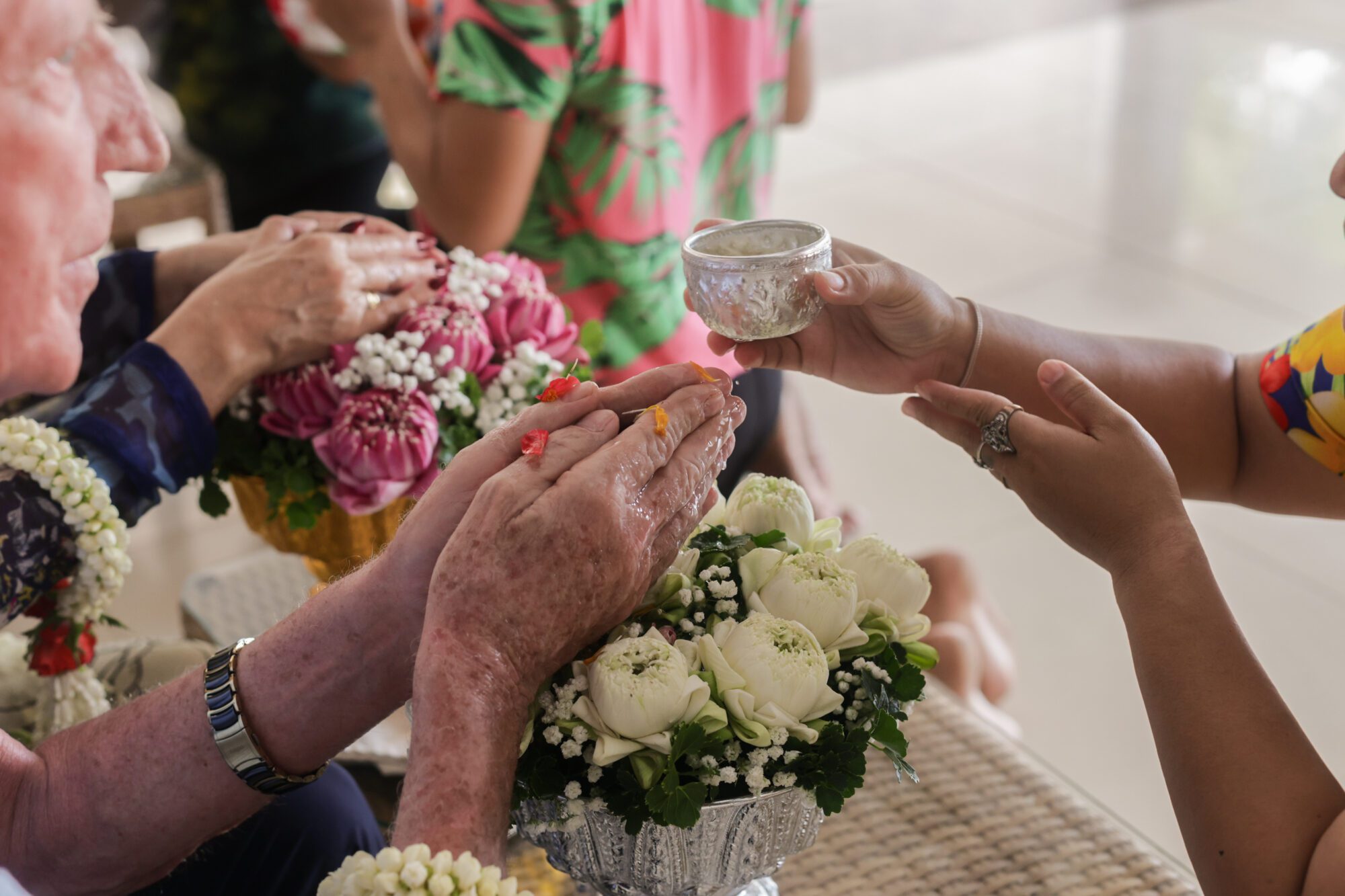
- Elders are honored with water blessings
- Ceremonies symbolize renewal and good fortune
Traditions That Define Songkran, Brought to Life at Thai Garden Resort
At its core, Songkran is rooted in Buddhist values and cultural traditions that emphasize renewal, respect, and spiritual cleansing—an important part of the Thai New Year experience across Pattaya and the rest of Thailand.
Merit-Making (Tham Bun)
Song Nam Phra
During Songkran, many people visit temples to offer food to monks, listen to teachings, and perform good deeds. This practice, known as tham bun, is believed to generate positive karma and set a meaningful foundation for the year ahead.
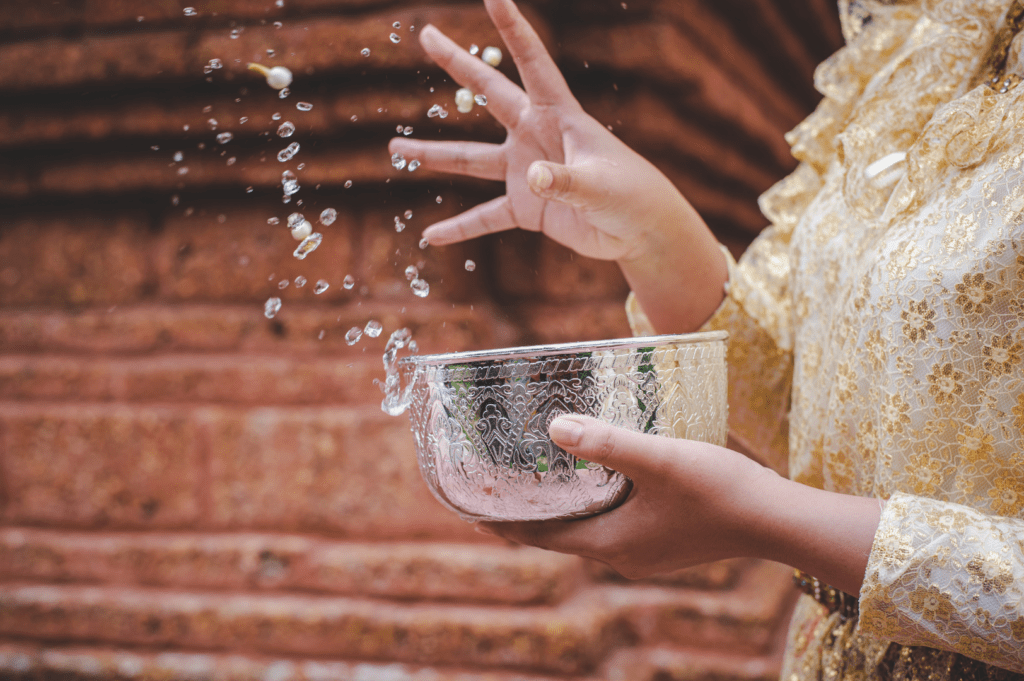
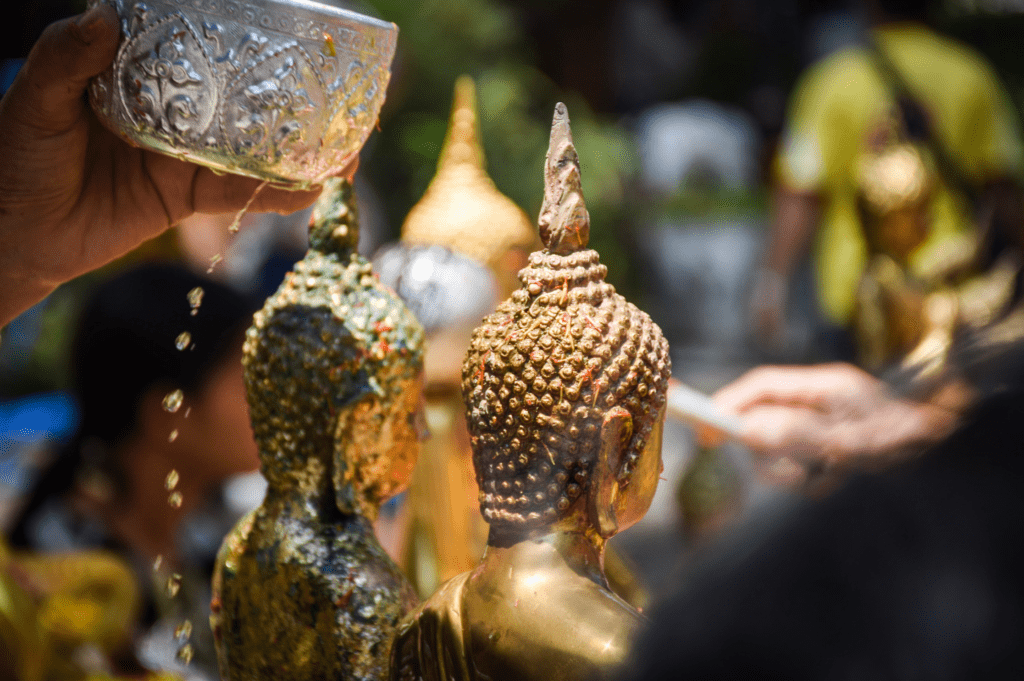
One of the most recognized Songkran rituals is Song Nam Phra, where scented water is gently poured over Buddha statues. This act symbolizes purification, washing away misfortune, and welcoming a fresh start for the new year.
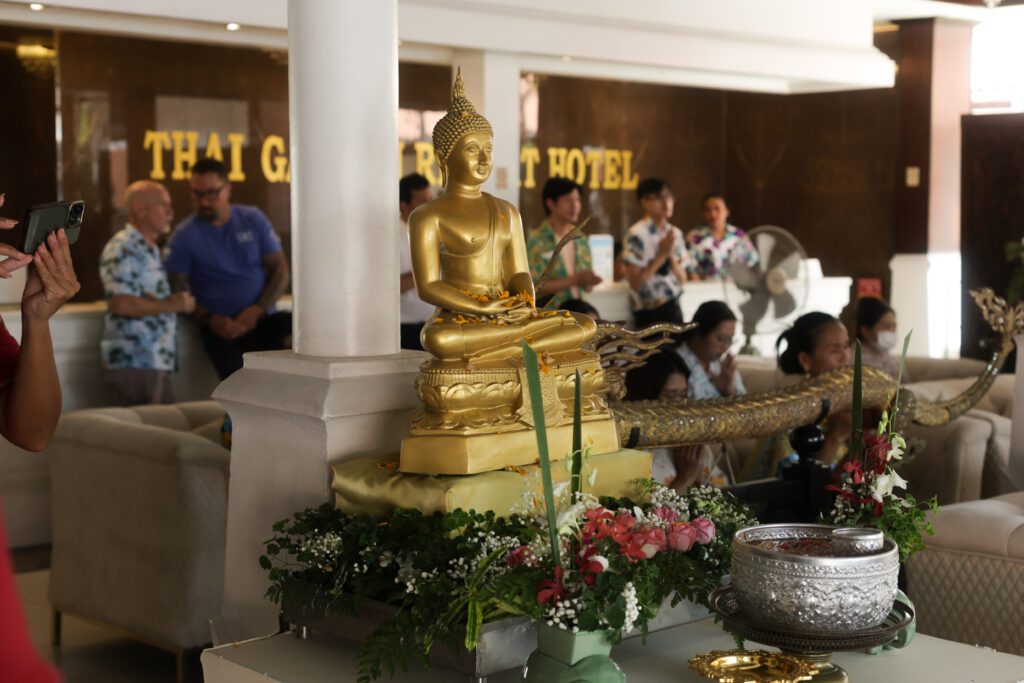
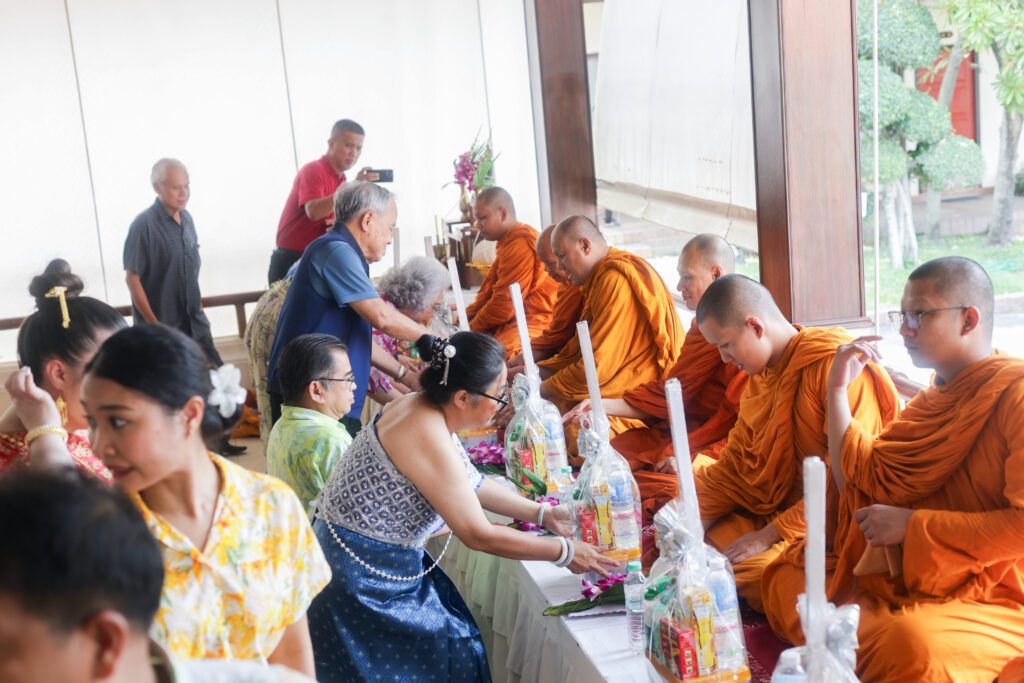
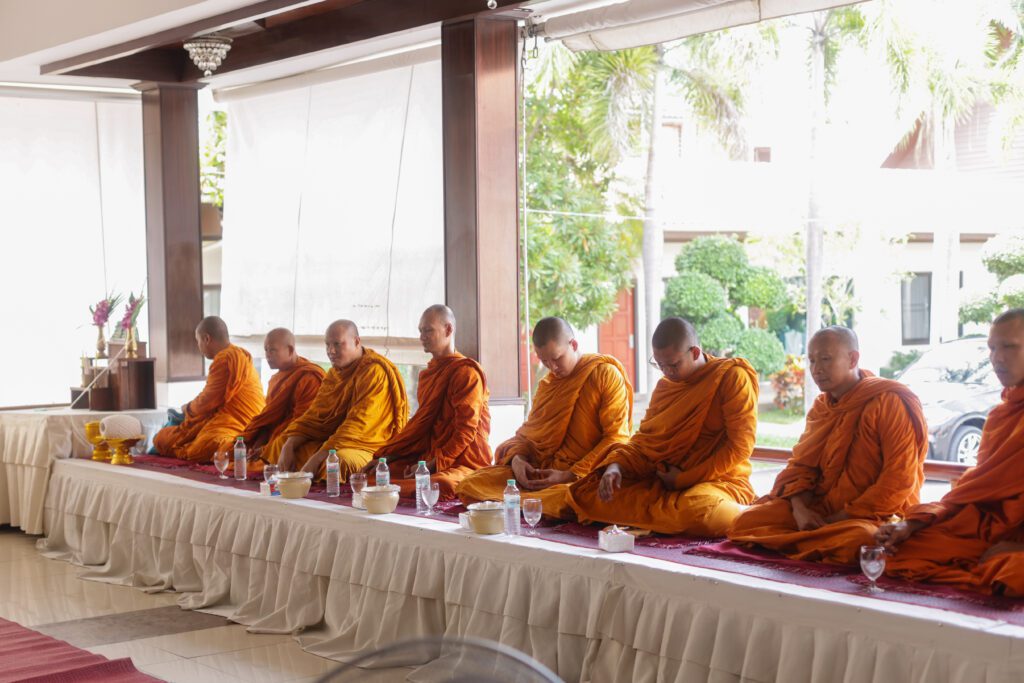
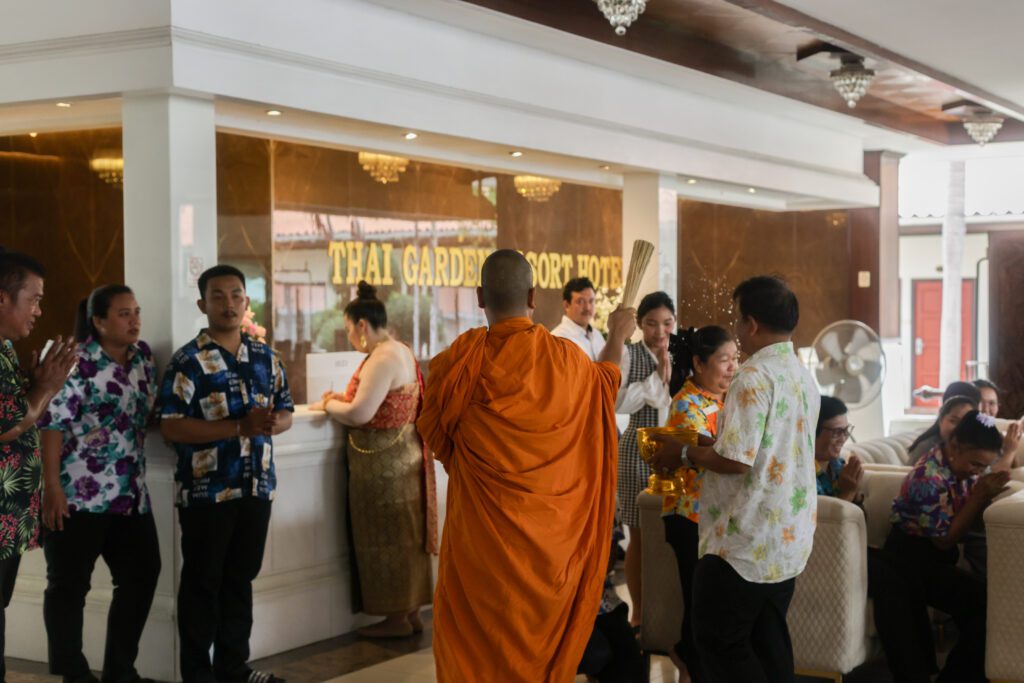
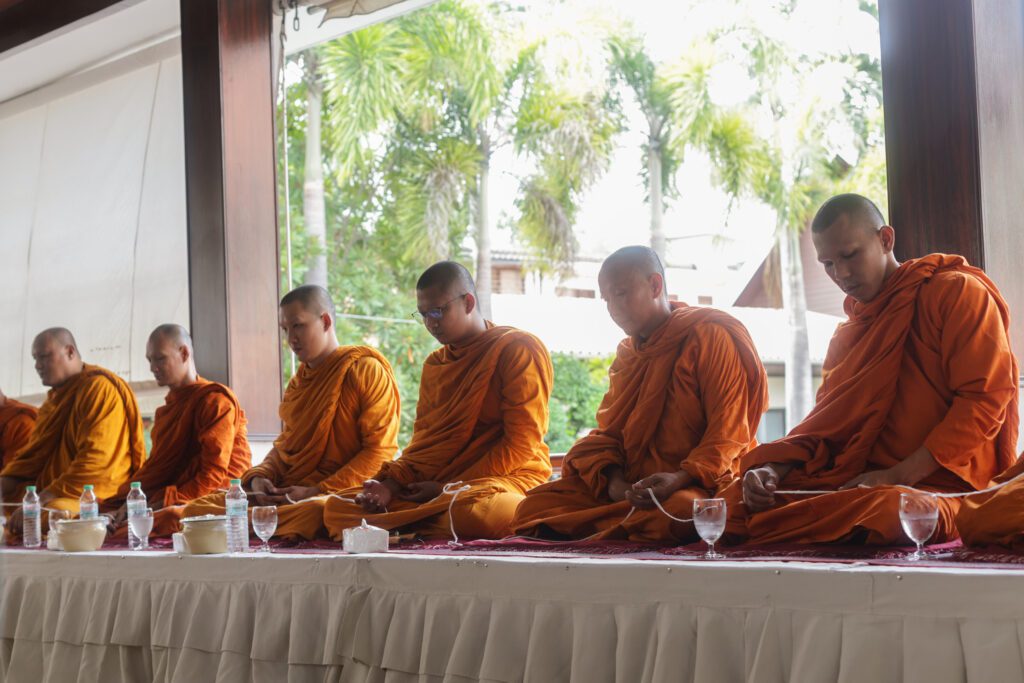
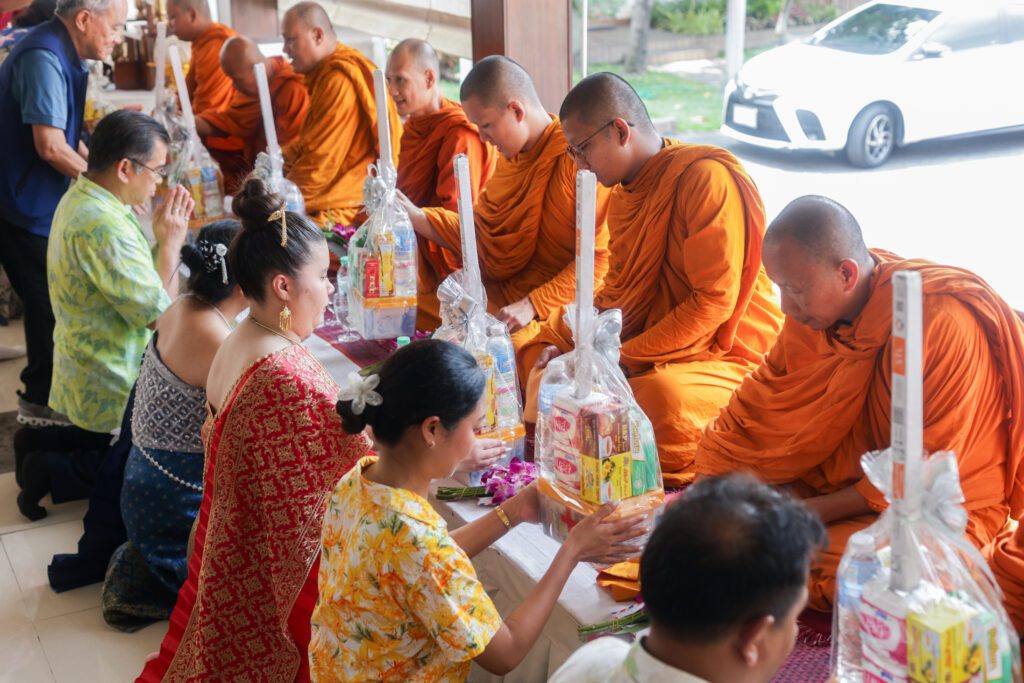
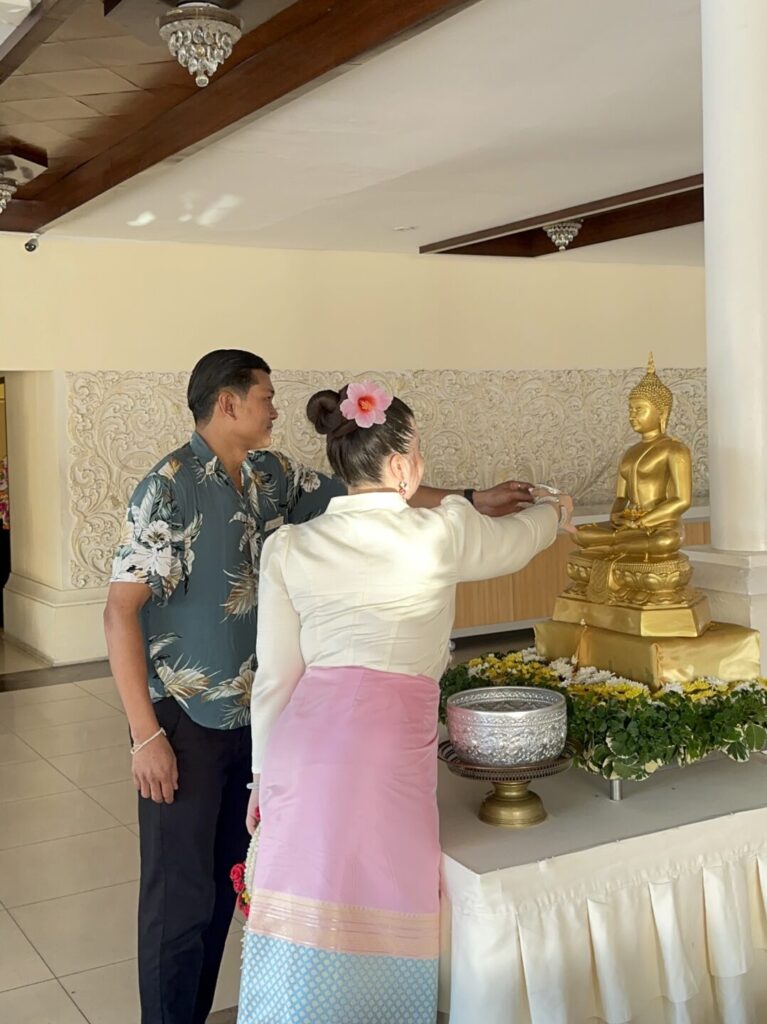


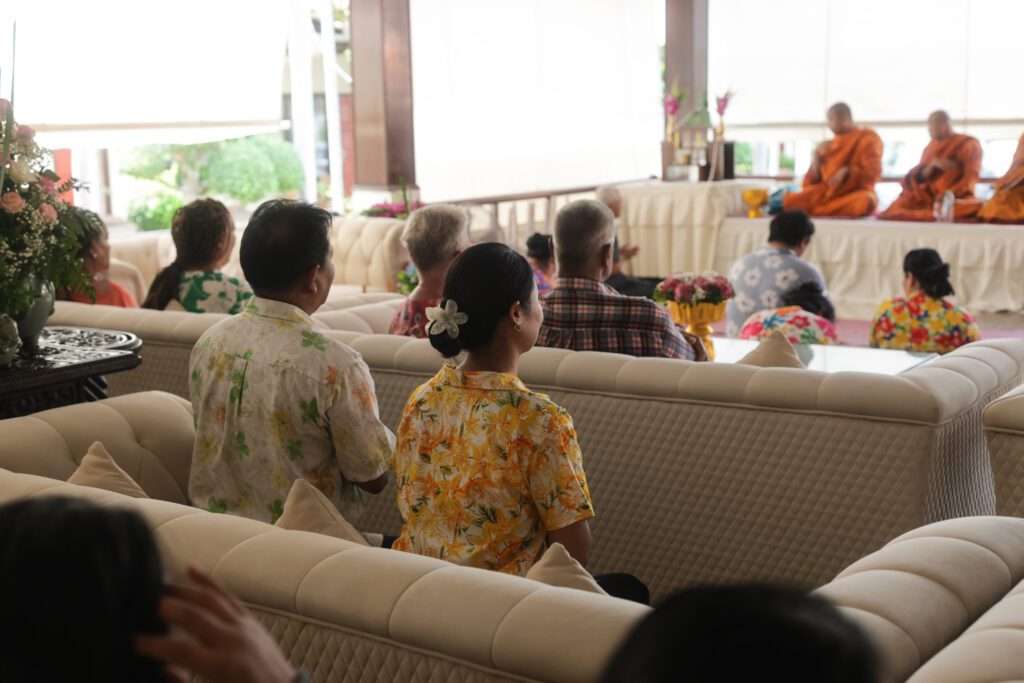
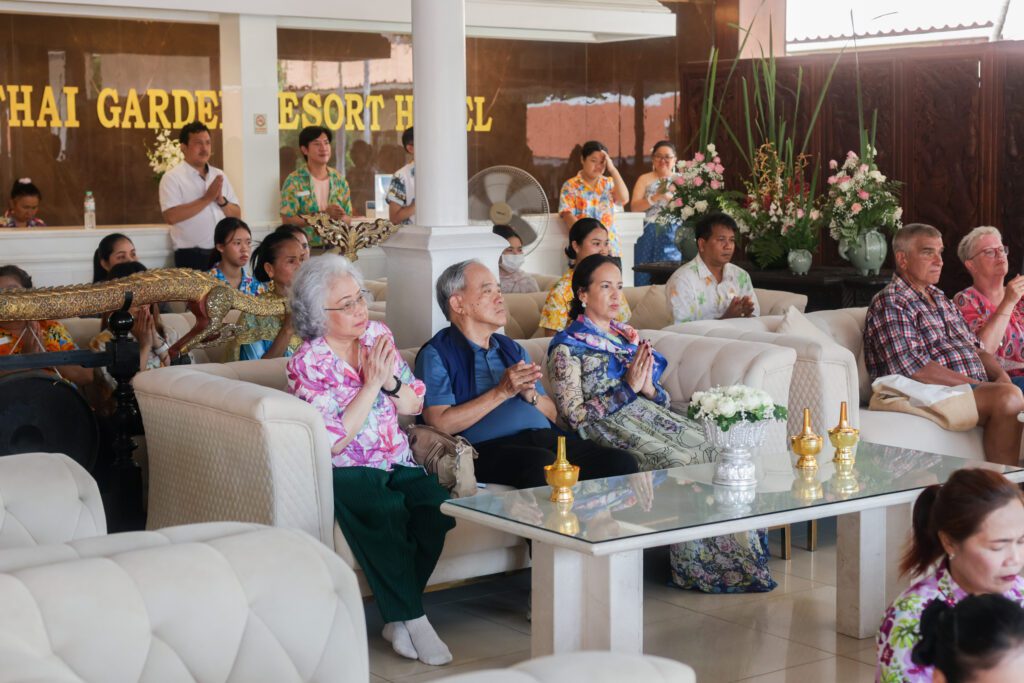
At Thai Garden Resort in North Pattaya, monks are invited to the property where offerings are respectfully presented. They perform traditional chants and blessings, sprinkling holy water across guests, staff, and the entire resort—creating a shared sense of purification and renewal.
Within the resort, guests will find Thai statues placed throughout the tropical gardens, creating a natural cultural setting as they explore the property. A dedicated golden Buddha at the front of the resort serves as the main place for offerings, while a prepared setup allows guests to take part in the ritual, offering a quiet moment of reflection, blessing, and renewal.
Rod Nam Dam Hua
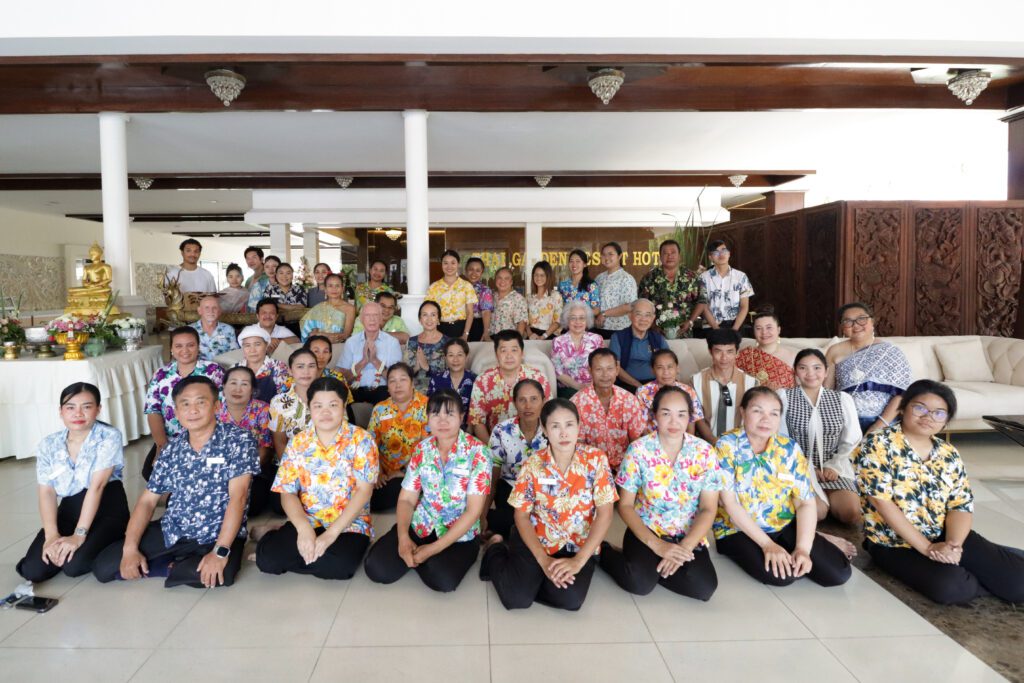
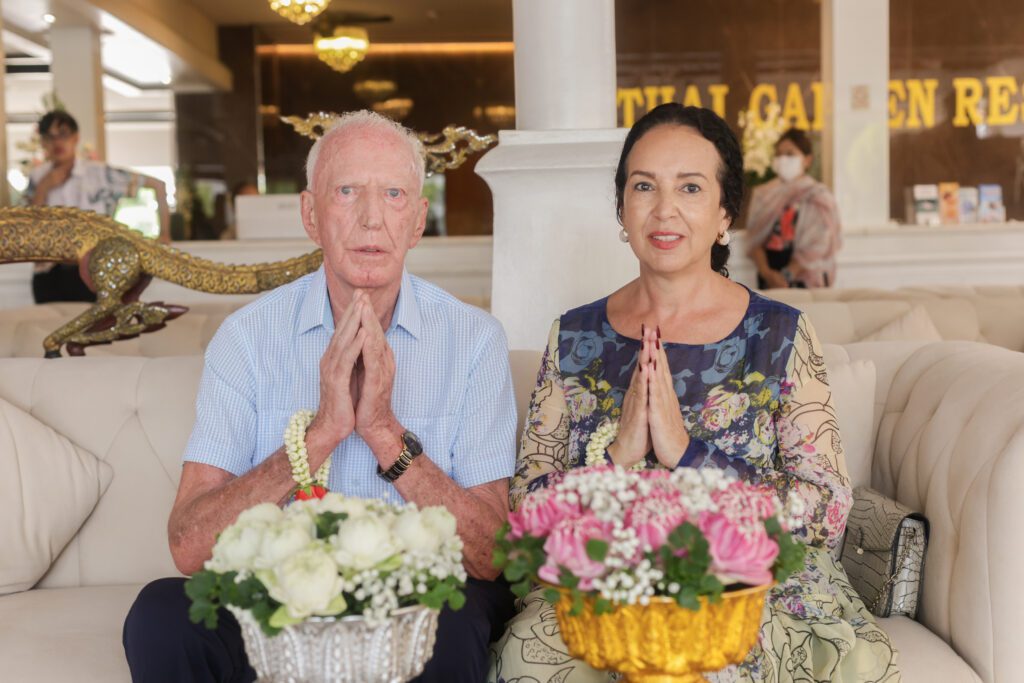
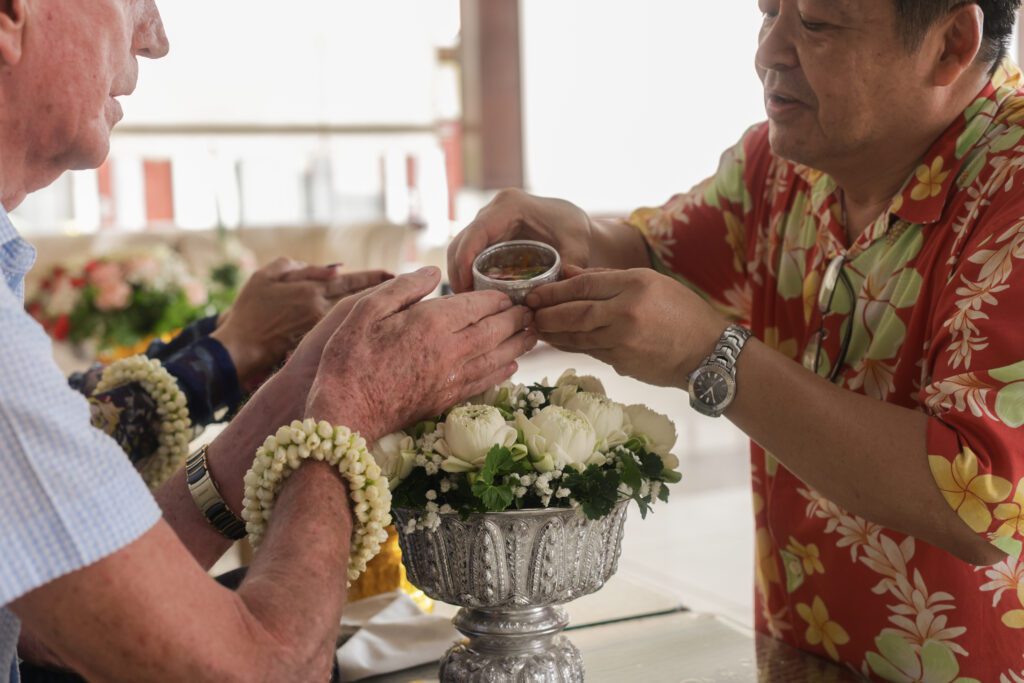
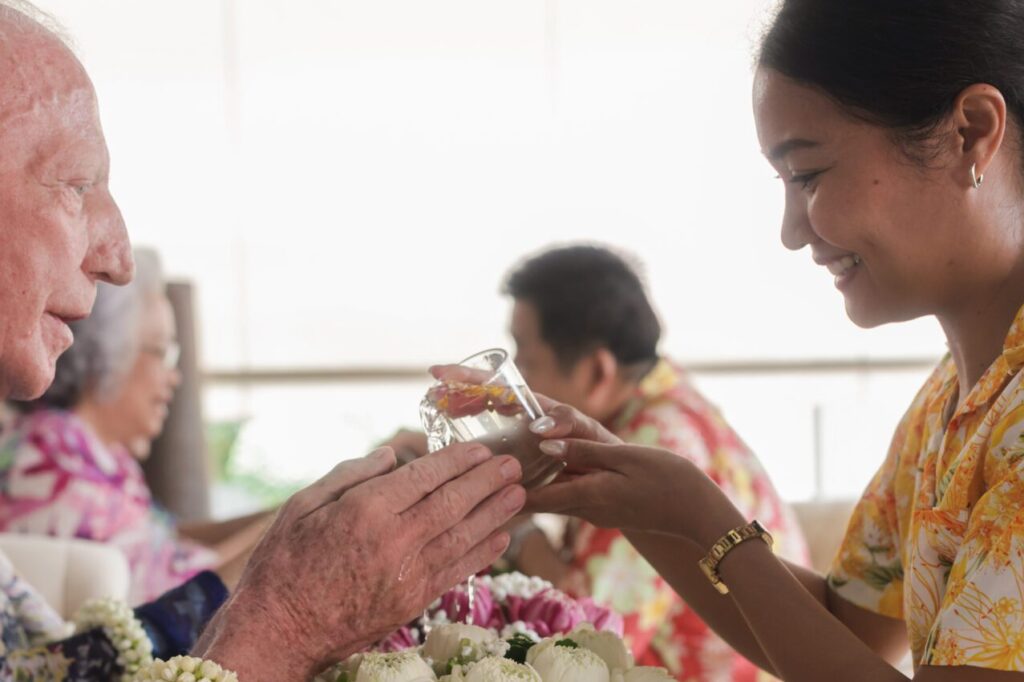
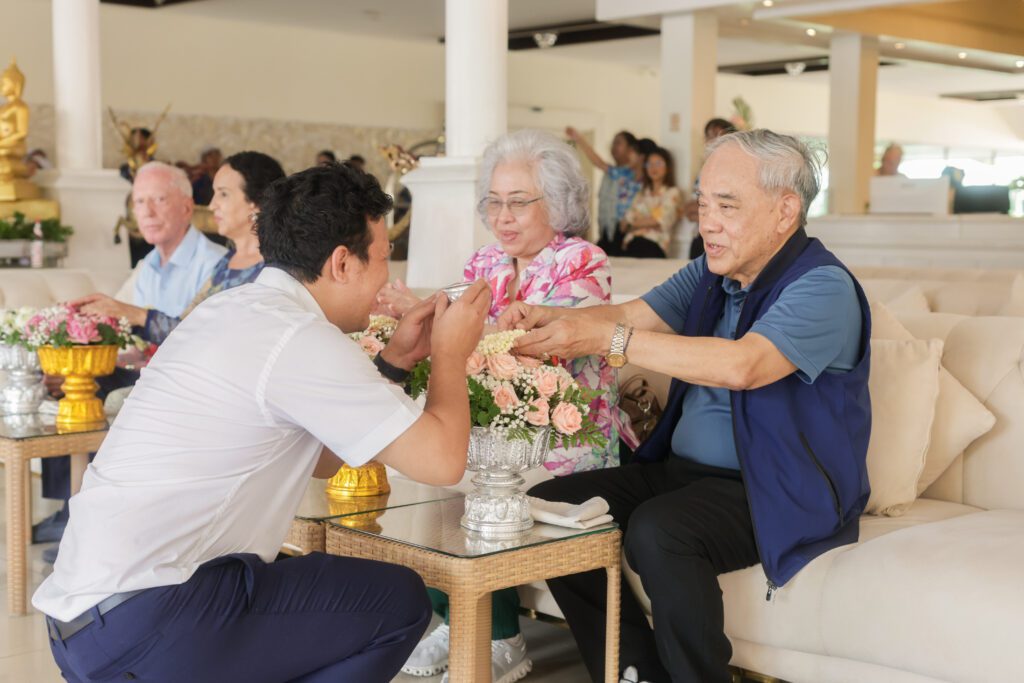
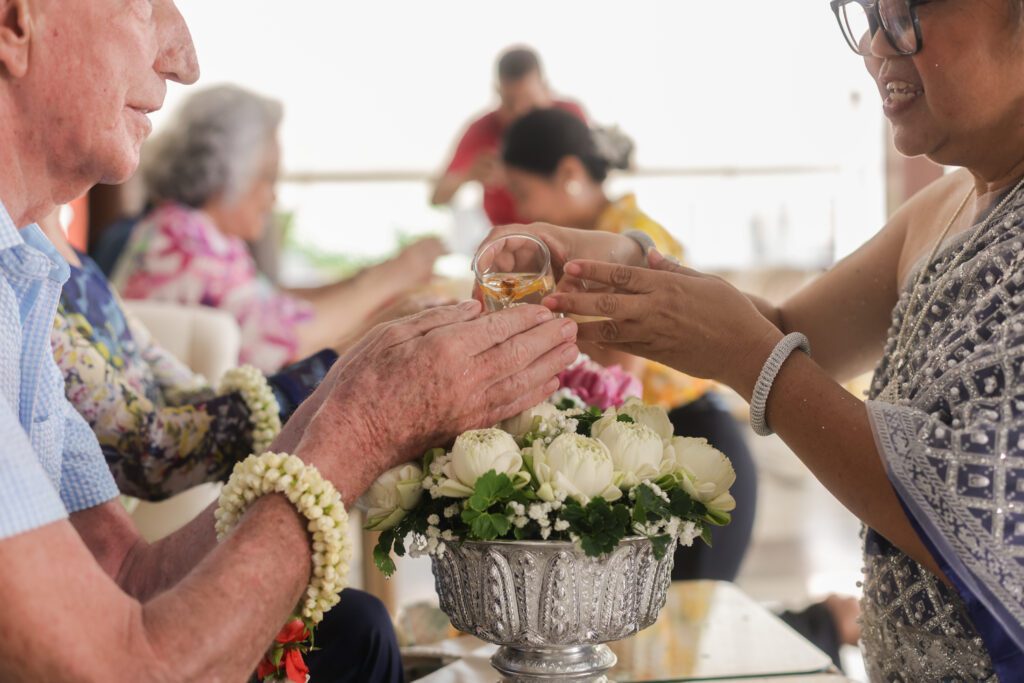
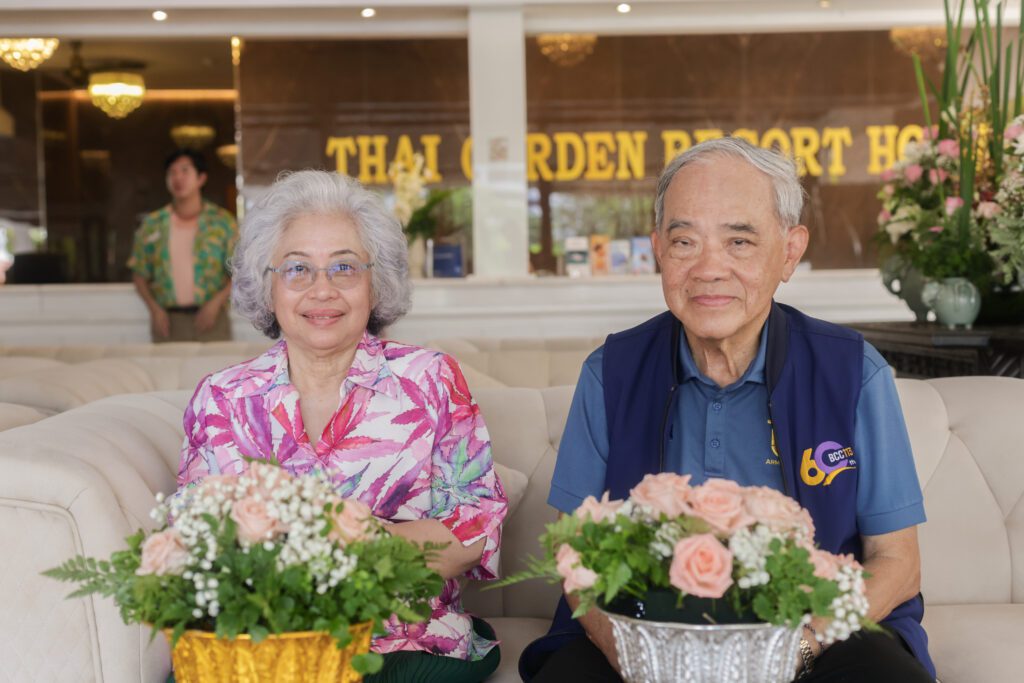
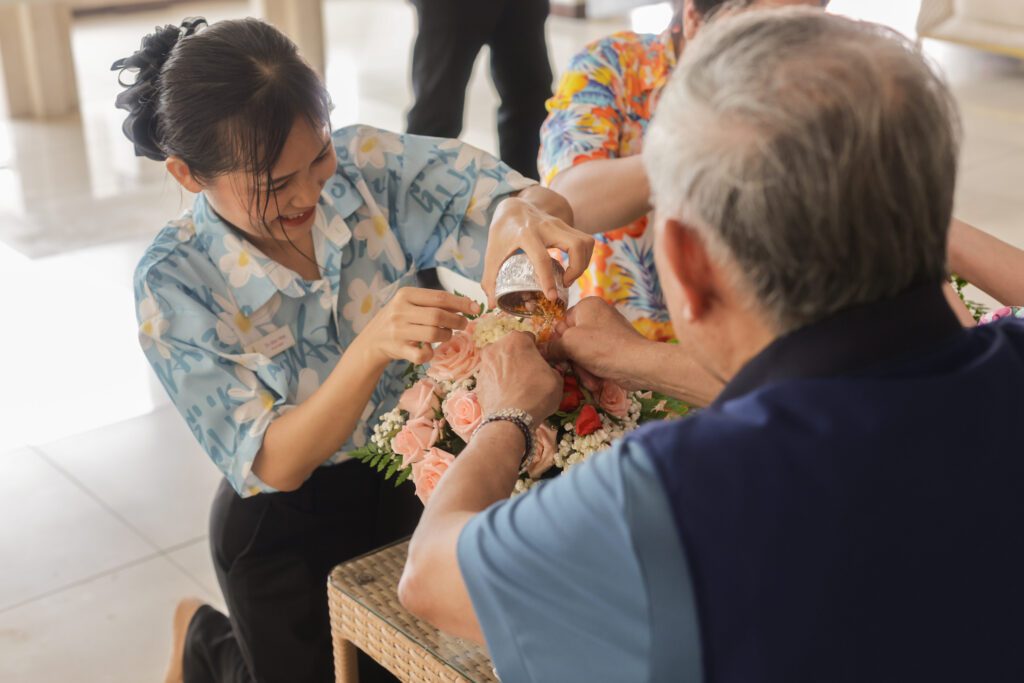
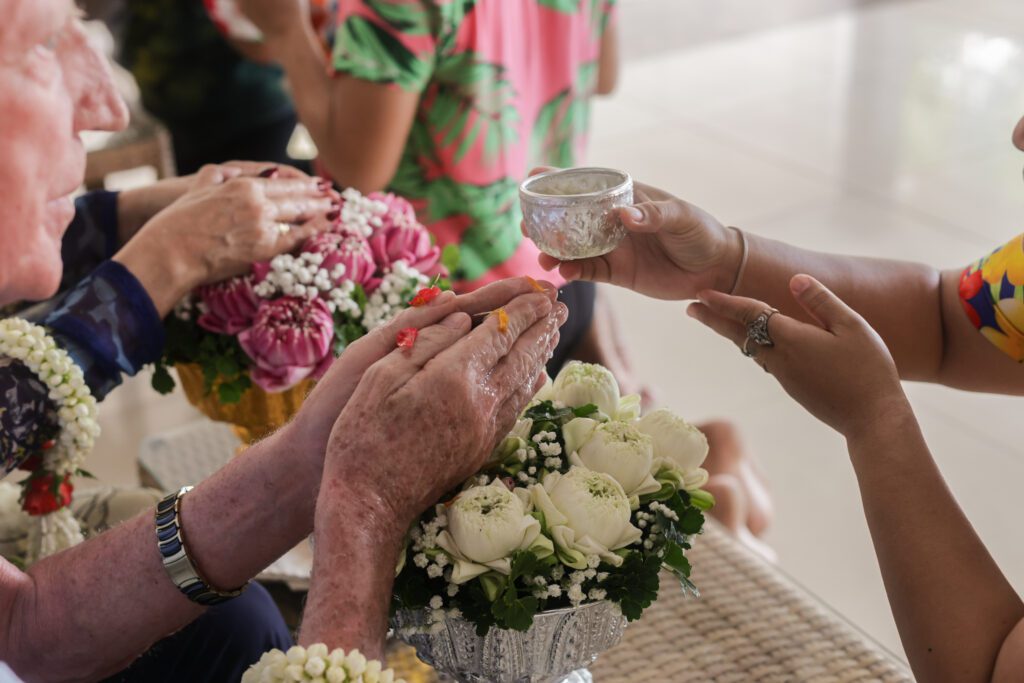
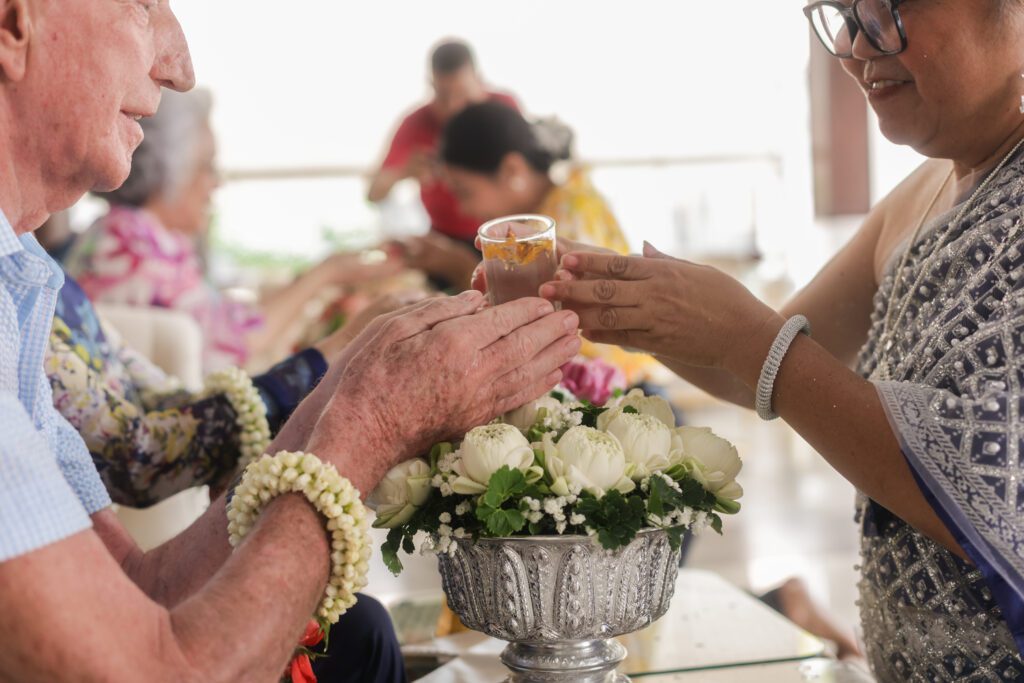
Rod Nam Dam Hua is a tradition centered on respect and gratitude. Younger individuals pour scented water into the hands of elders, who in return offer blessings—creating a meaningful connection between generations.
At the resort, this ceremony is held alongside merit-making, bringing staff together in a shared expression of respect, community, and tradition.
Water as a Symbol of Renewal
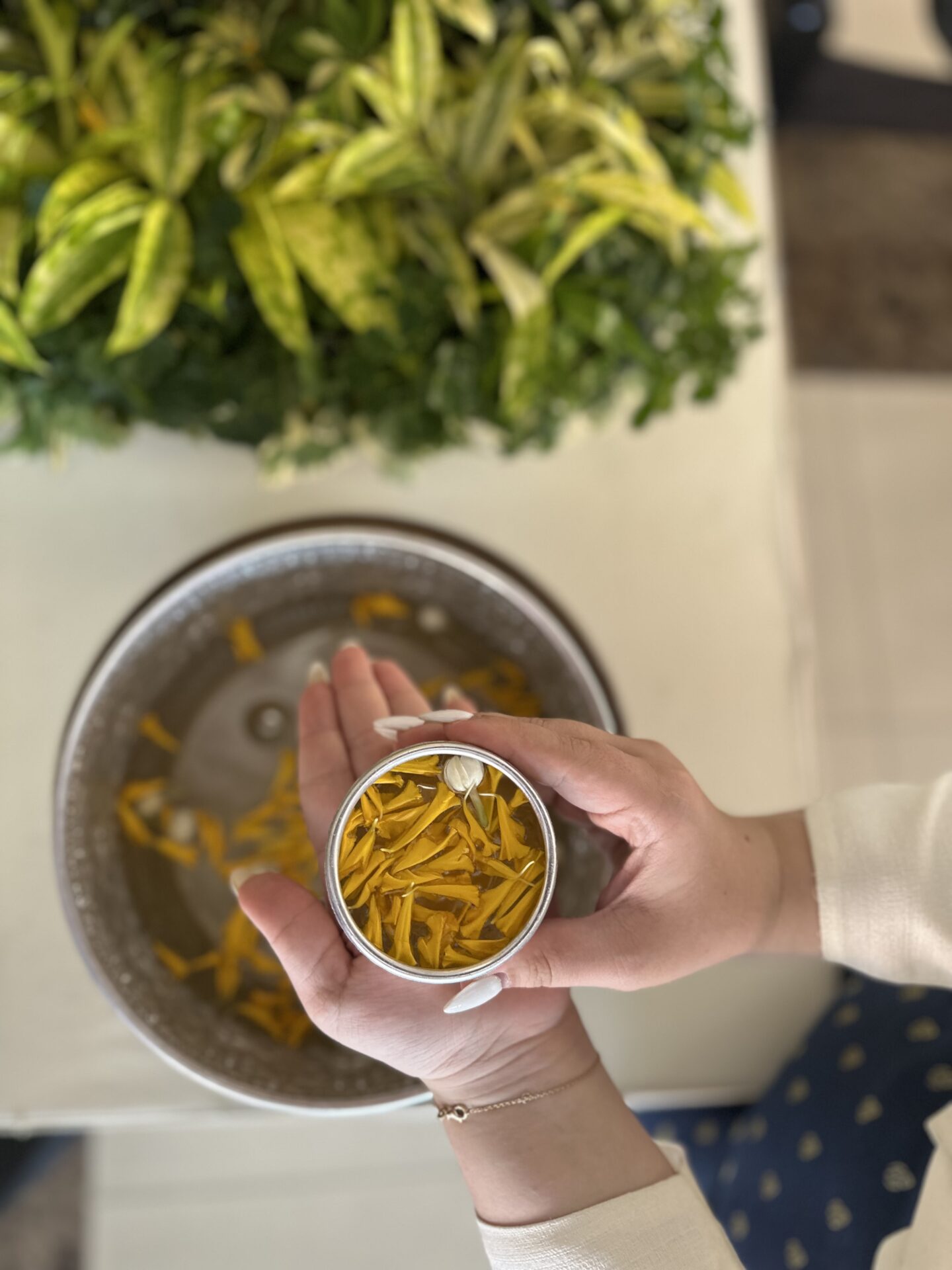
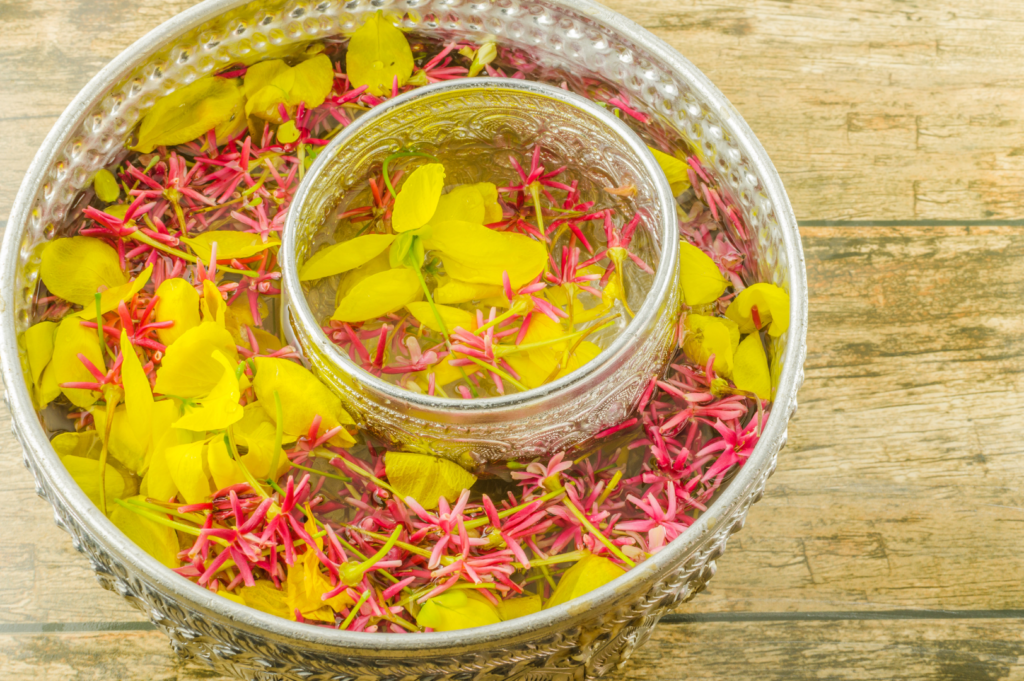
Water remains at the heart of Songkran. Traditionally, it was gently poured as a blessing—often over Buddha statues or into the hands of others—to wash away misfortune and invite good luck, purity, and prosperity. Over time, this ritual has grown into the large-scale water celebrations seen across Thailand today, while still preserving its original meaning
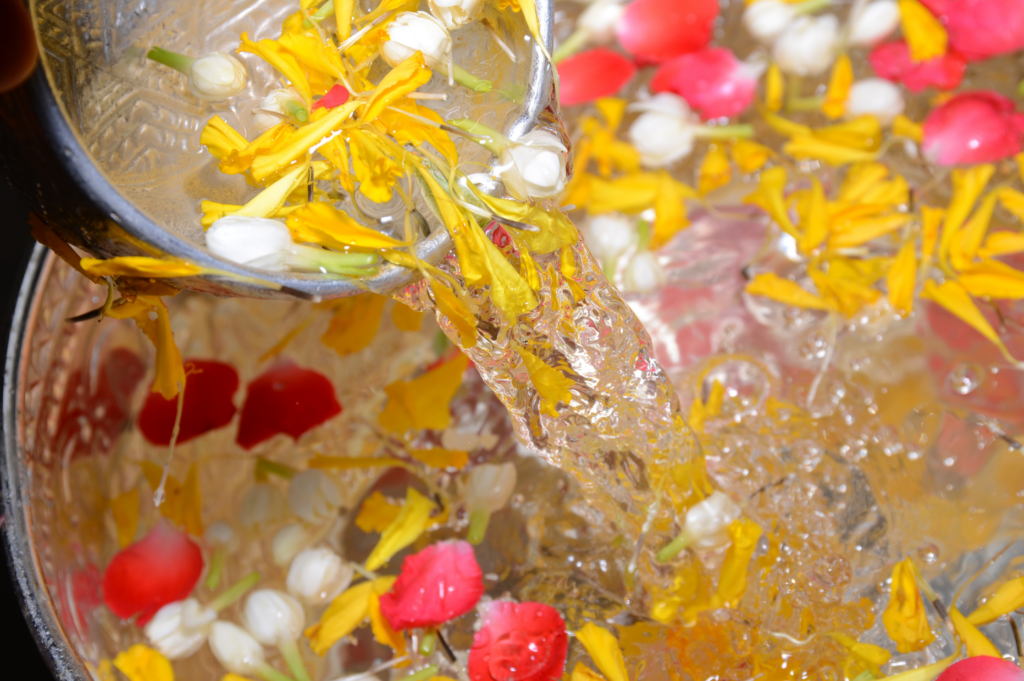
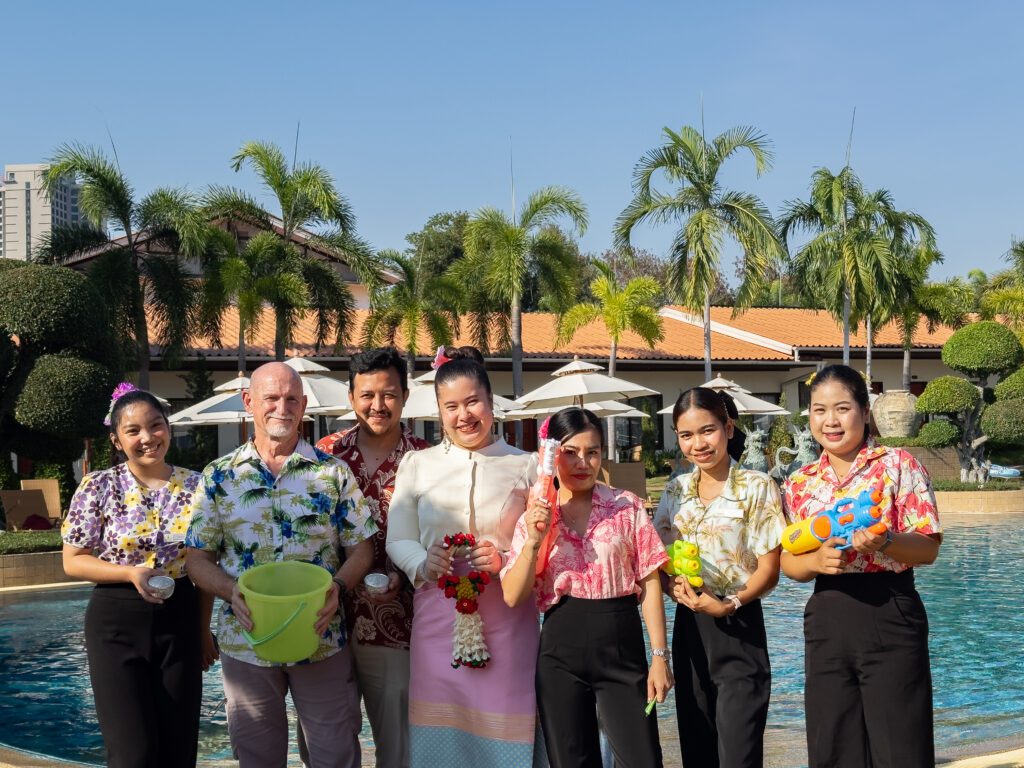
At Thai Garden Resort, this is reflected in a more relaxed setting, with water stations and large jars placed at the entrance—allowing guests to enjoy lighthearted participation in the festive spirit.
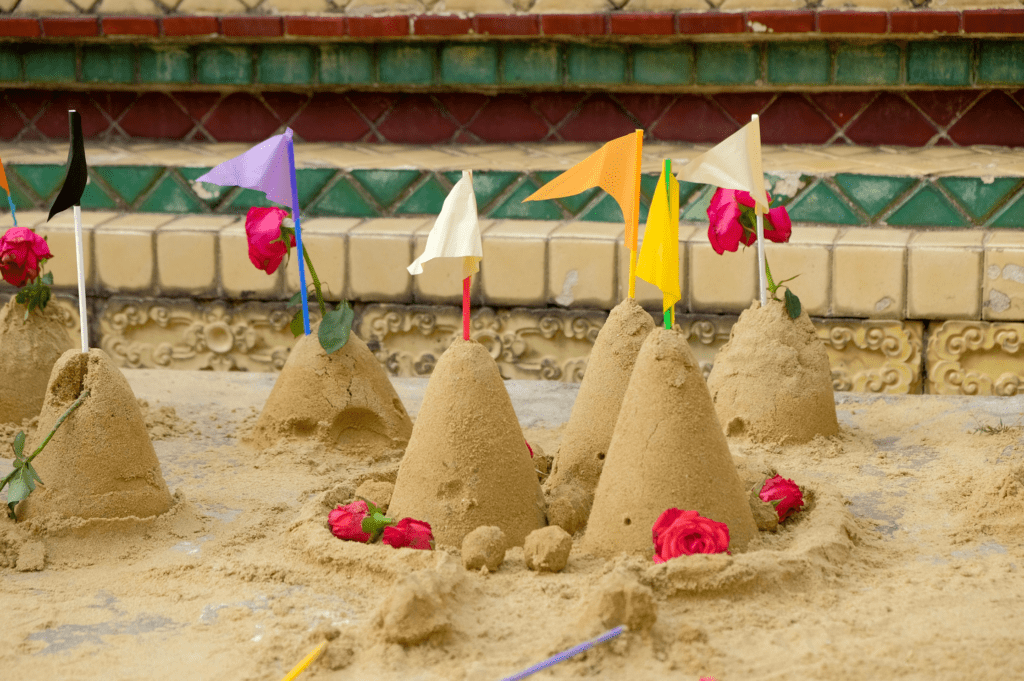
Chedi Sai (Sand Pagodas)
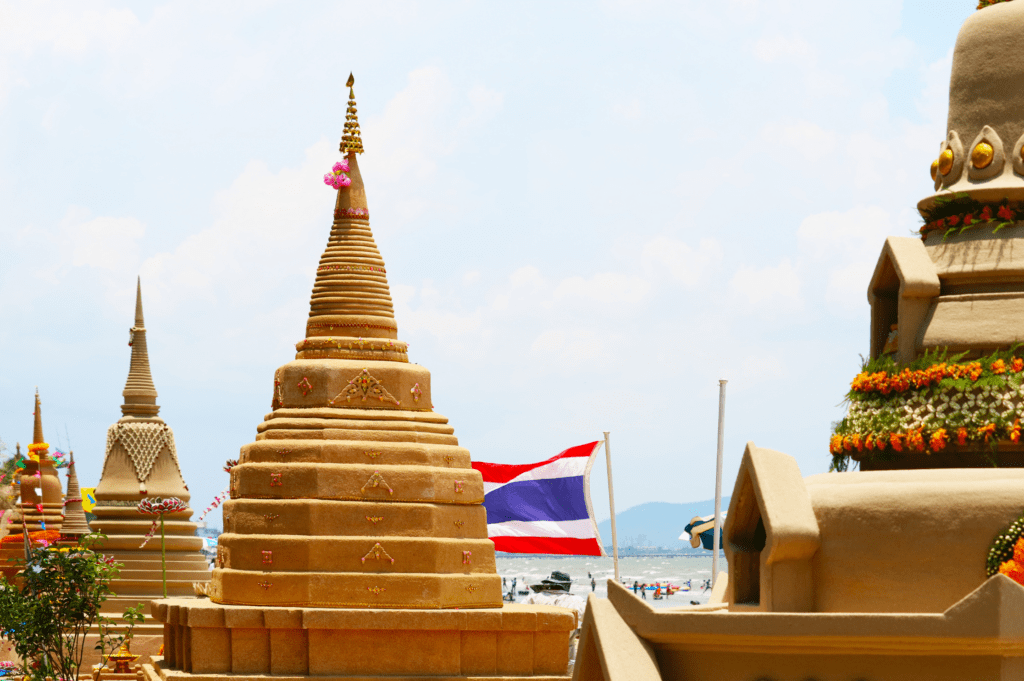
Building sand pagodas in temple grounds is a symbolic act of giving back. Visitors bring sand and shape it into small structures, representing community spirit.
In coastal areas like Pattaya, this tradition is seen beyond temples. During Songkran, visitors often create sand pagodas along the beach as part of the festive atmosphere—blending tradition with the seaside setting.
Din Sor Pong (White Clay Tradition)
Din Sor Pong is a natural white clay paste applied to the face during Songkran, especially in lively areas like Pattaya. It symbolizes purification and protection, while also helping to cool the skin and serving as a friendly gesture of blessing and goodwill.
Pattaya’s Extended Songkran Celebrations
Unlike most of Thailand, Pattaya is known for having the longest-running water festival in Thailand, continuing the festivities through April 17–19 with the famous Wan Lai Festival. While other regions begin to wind down, Pattaya reaches its peak—making it one of the most exciting places to experience Songkran.
Key Dates in Pattaya
Where in Pattaya
- April 17–19 – Extended celebrations across the city
- April 18 – Wan Lai Naklua – A more traditional celebration with cultural rituals
- April 19 – Wan Lai Pattaya – The grand finale
- Beach Road – Main hub for water celebrations
- Soi 6 & Soi 7 – High-energy street atmosphere
- Walking Street – Nightlife-focused festivities


The Thai Garden Resort Experience: A Cultural Sanctuary in North Pattaya
While Pattaya transforms into a city-wide Songkran celebration, Thai Garden Resort in North Pattaya offers a more balanced way to experience the festival—where cultural depth and a sense of calm naturally come together.
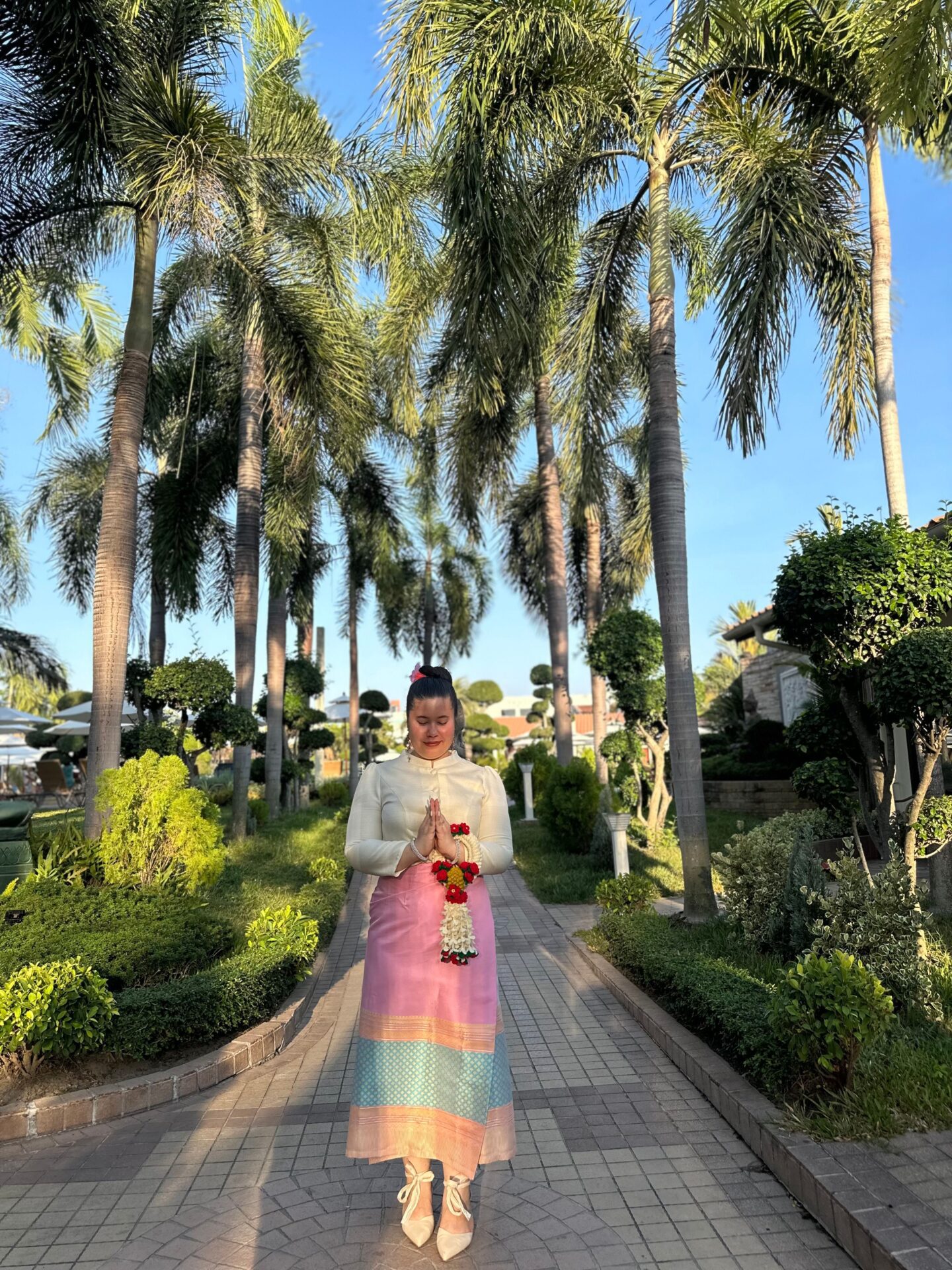
At the resort, Songkran goes beyond celebration. Guests are invited to experience the traditions of the Thai New Year in a calm and respectful setting, creating a more personal connection to its meaning of gratitude, blessing, and renewal. Here, every tradition is experienced, not just seen—making each moment feel both meaningful and memorable.
Surrounded by tropical gardens, the atmosphere remains relaxed throughout the festivities. Light water activities at the entrance bring a touch of fun, while the overall setting allows guests to enjoy Songkran at a comfortable pace.
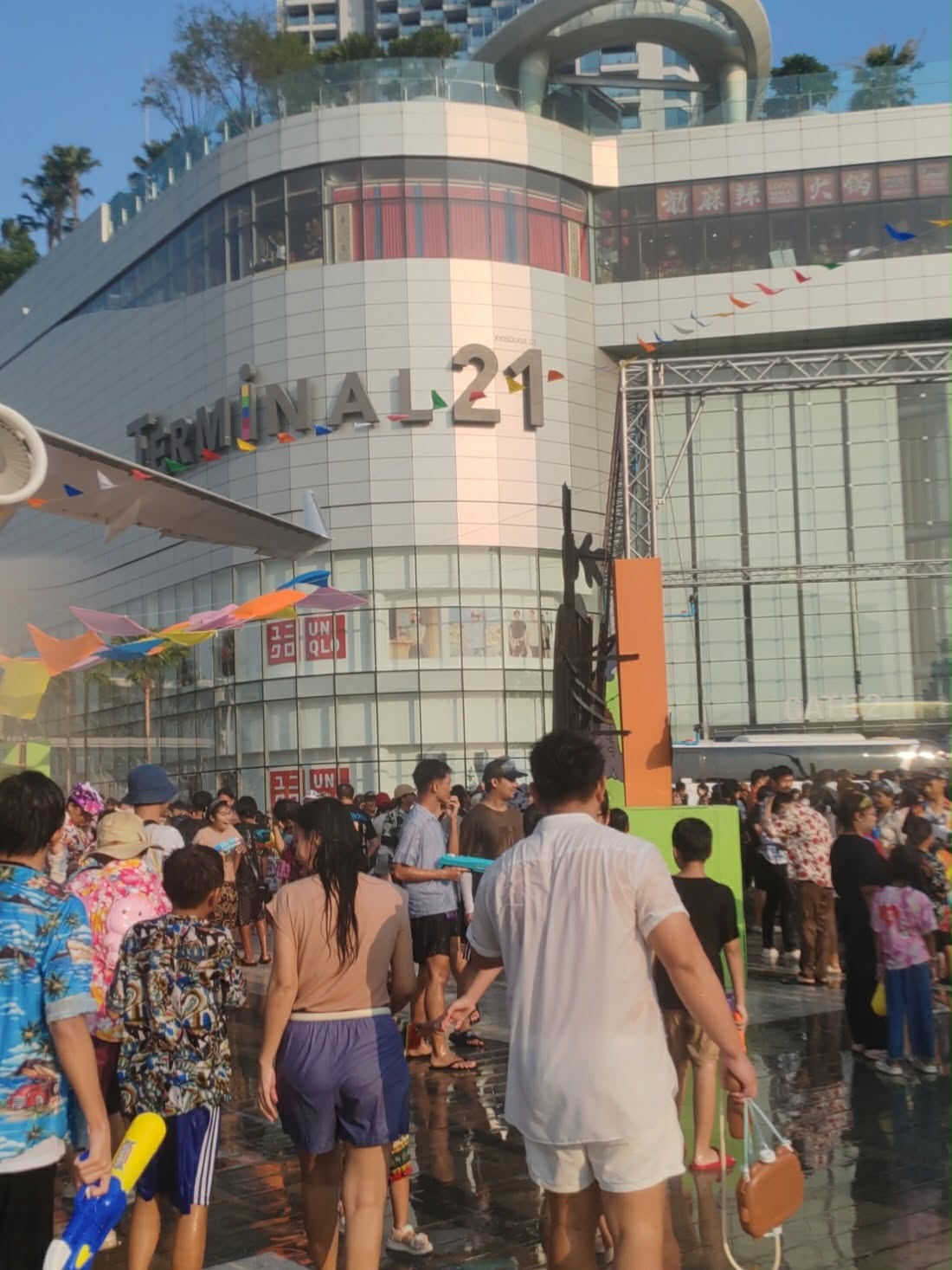
Located in North Pattaya, just a short walk from Terminal 21 Pattaya and within easy reach of the city’s main celebration areas, the resort offers both convenience and retreat—close enough to explore, yet set apart enough to unwind.
This balance is what defines the experience. Songkran becomes more than a festival; it becomes a moment of connection—between people, culture, and the start of a new year.
Come celebrate Songkran in North Pattaya, and take home more than memories—take home the feeling of it.
References
Pattaya Mail
Pattaya Mail. (2026). Pattaya Wan Lai set for April 19 as Chonburi celebrates extended Songkran festivities.
https://www.pattayamail.com/latestnews/news/pattaya-wan-lai-set-for-april-19-as-chonburi-celebrates-extended-songkran-festivities-539492
Pattaya Talk
Pattaya Talk. (2026). Songkran Festival 2026.
https://beta.pattayatalk.com/events/songkran-festival-2026
Associated Press
Associated Press. (2024). Thailand water New Year festival (photo gallery).
https://apnews.com/photo-gallery/thailand-water-new-year-festival-photos-91f2b83ebbcfd2fc882ef48cb896aa5e
Thailand Business News
Thailand Business News. (2026). Thailand’s Songkran Festival 2026 expected to generate revenue of 30–35 billion baht.
https://www.thailand-business-news.com/tourism/300735-thailands-songkran-festival-2026-expected-to-generate-revenue-of-30-35-billion-baht
Tourism Authority of Thailand
Tourism Authority of Thailand. (2021). Thailand’s Songkran Festival: Its origins, history, and modern-day observance.
https://www.tatnews.org/2021/03/thailands-songkran-festival-its-origins-history-and-modern-day-observance/
CNN Travel
CNN Travel. (2019). Songkran: Thailand’s famous water festival.
https://edition.cnn.com/travel/article/songkran-thailand-water-festival
National Geographic
National Geographic. (2018). Songkran: Thailand’s water festival explained.
https://www.nationalgeographic.com/travel/article/songkran-thailand-water-festival
Lonely Planet
Lonely Planet. (n.d.). Songkran: Thailand’s water festival.
https://www.lonelyplanet.com/articles/songkran